Compact Japanese Holly
Ilex crenata 'Compacta'
Compact Japanese Holly, Evergreen Shrub Ready to Plant
- Slow-growing, dense evergreen that thrives with minimal maintenance once established
- Excellent for formal hedges, topiary, and structured plantings
- Good to high deer resistance with superior disease resilience to boxwood
About this plant
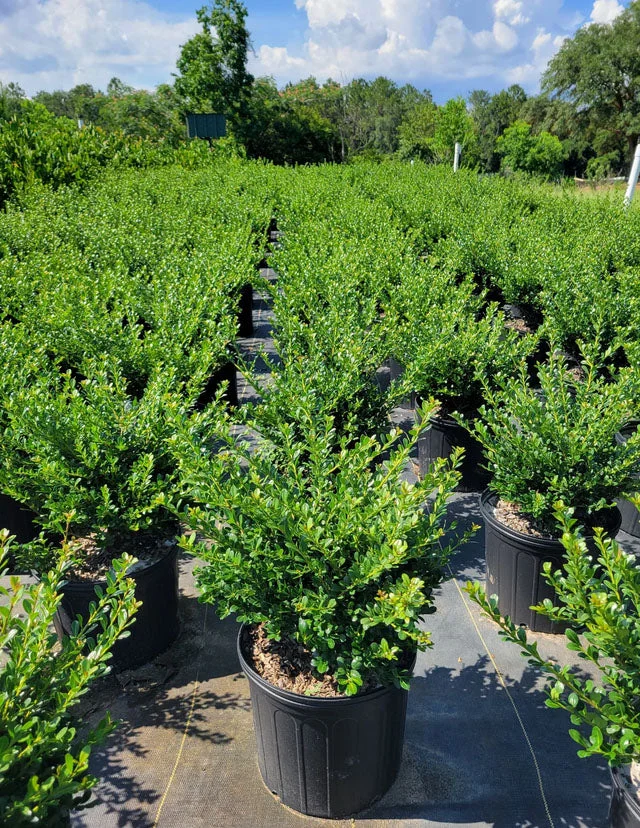
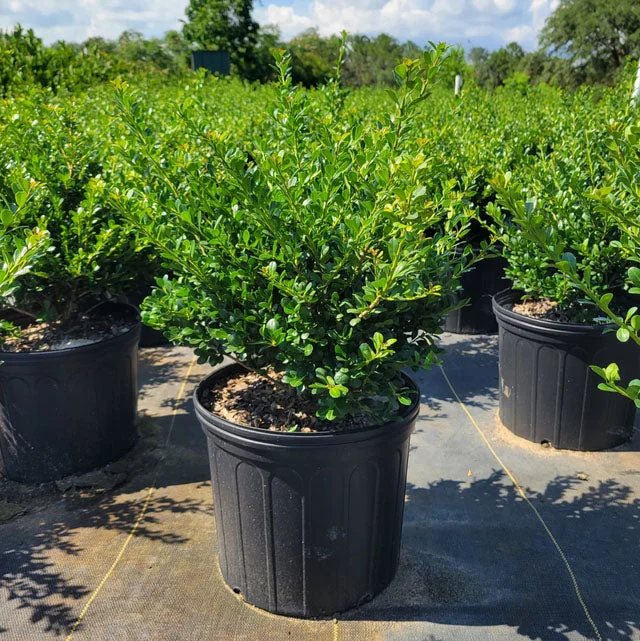
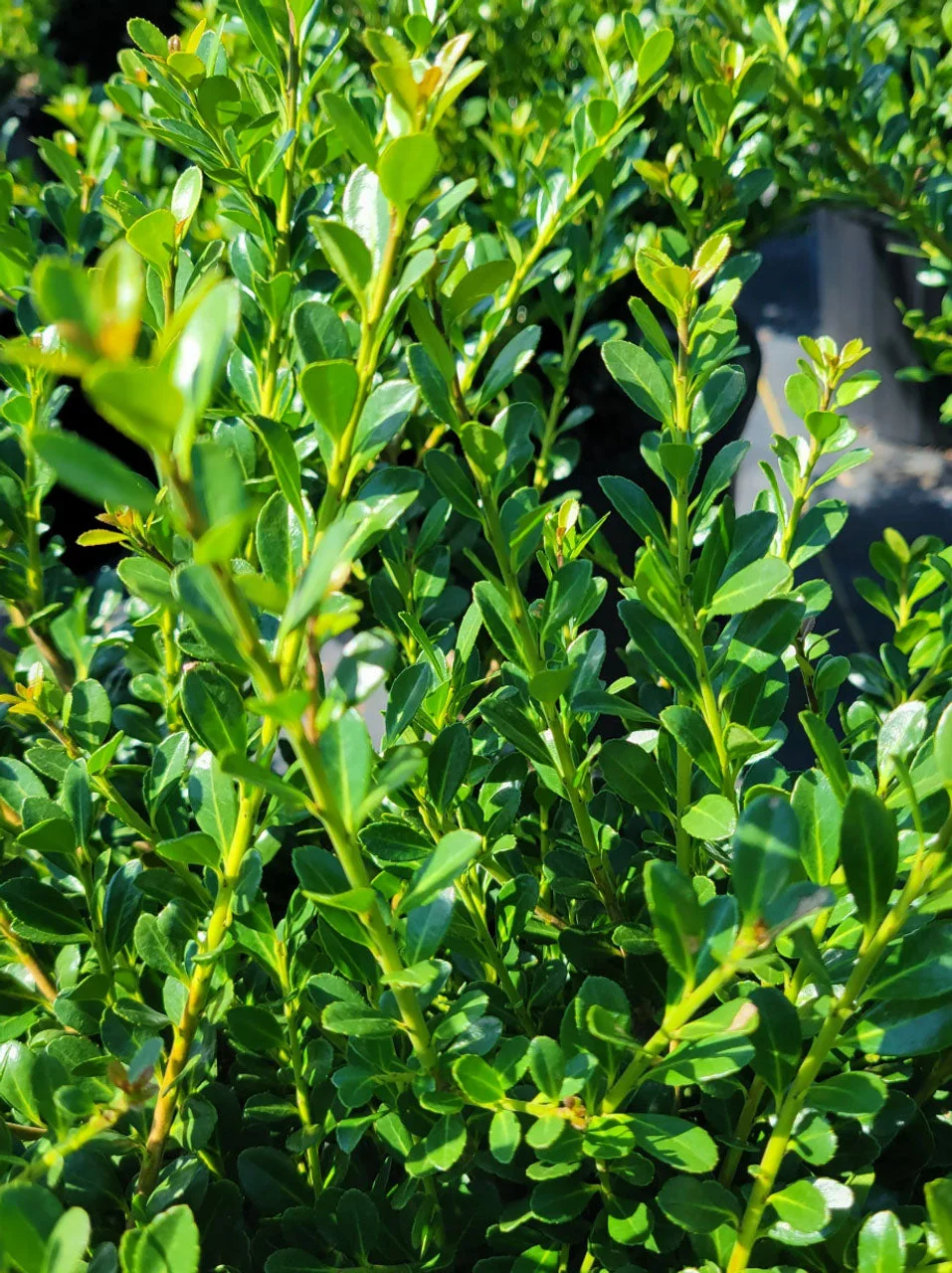
Compact Japanese Holly is a slow-growing evergreen shrub prized for formal hedges, foundation plantings, and topiary work. Its dense foliage remains dark green year-round, tolerating pruning to maintain neat shapes. It resists deer browsing and offers superior disease resistance compared to boxwood, making it ideal for hedged borders and polished landscape designs.
Your holly arrives in a nursery container, ready to plant into the ground or a larger pot. Upon arrival, water thoroughly and place in appropriate light. Plant within the first week in well-drained soil, positioning the root ball at soil level. Maintain consistent moisture as the shrub establishes its root system.
Compact Japanese Holly at a glance
| Botanical name | Ilex crenata 'Compacta' |
|---|---|
| Plant type | evergreen shrub |
| USDA zones | 6-8 (some nurseries list 5b-8, especially with winter wind protection) |
| Mature height | 3-4 ft (up to 5 ft if left unsheared over many years) |
| Mature width | 4-5 ft |
| Sun | full sun to part shade; best density in full sun to light shade |
| Water | moderate; regular water until established, then moderate/consistent moisture, does not like to dry out completely |
| Bloom time | late spring (May-June) |
| Bloom color | white to greenish-white, small and inconspicuous |
| Growth rate | slow, roughly 3-6 in per year |
| Deer resistance | good to high — hollies are generally low on deer browse preference lists |
| Best planting time | spring or early fall, ahead of frost |
Container sizes explained
| Quart / QT | A 4 inch pot, roughly one quart of soil. A young starter plant, the most economical way to buy several. |
|---|---|
| #1 / 1 Gallon | A trade one gallon pot (about 6.5 inches). One to two seasons older than a quart, with an established root system. |
| #2 / 2 Gallon | A trade two gallon pot. Common for peonies and perennials that need root room; usually blooms the first or second year. |
| #3 / 3 Gallon | A trade three gallon pot (about 10 inches). A well-developed shrub or small tree, often 2 to 4 feet tall on arrival. |
Questions before you buy
Which size should I choose?
The Quart is best for small spaces, borders, or testing a location before committing to a larger shrub. The 1-Gallon offers faster visual impact at moderate cost, ideal for most hedges and foundation plantings. The 3-Gallon arrives more established and fills mature landscape roles sooner, though it costs more.
When should I plant after it arrives?
Plant within the first week of arrival to give roots time to establish during optimal seasons. Upon arrival, water the container thoroughly and choose a planting site with well-drained soil. Spring and early autumn are ideal planting windows.
How large does Compact Japanese Holly get?
It reaches 3 to 4 feet tall and 4 to 5 feet wide at maturity, a process that takes roughly 5 to 10 years given its slow growth rate of 3 to 6 inches per year. Regular shearing and pruning let you maintain it at any desired height and width.
How much sun does it need?
Compact Japanese Holly thrives in full sun to part shade, developing its densest foliage in full sun to light shade. It tolerates part shade but may become thin and open in deep shade. Place it according to your landscape's available light.
What hardiness zones does it grow in?
This holly is hardy in USDA zones 6 to 8. Some nurseries recommend zone 5b with winter wind protection in the coldest areas. If you garden on the edge of zone 6, choose a sheltered location away from harsh winter wind.
What does first-year care involve?
Water regularly until roots establish, keeping soil consistently moist but not waterlogged; it dislikes drying out completely. Mulch around the base to conserve moisture and regulate soil temperature. After the first season, moderate and consistent moisture is all it needs.