What Hardiness Zones Work Best for Compact Japanese Holly?
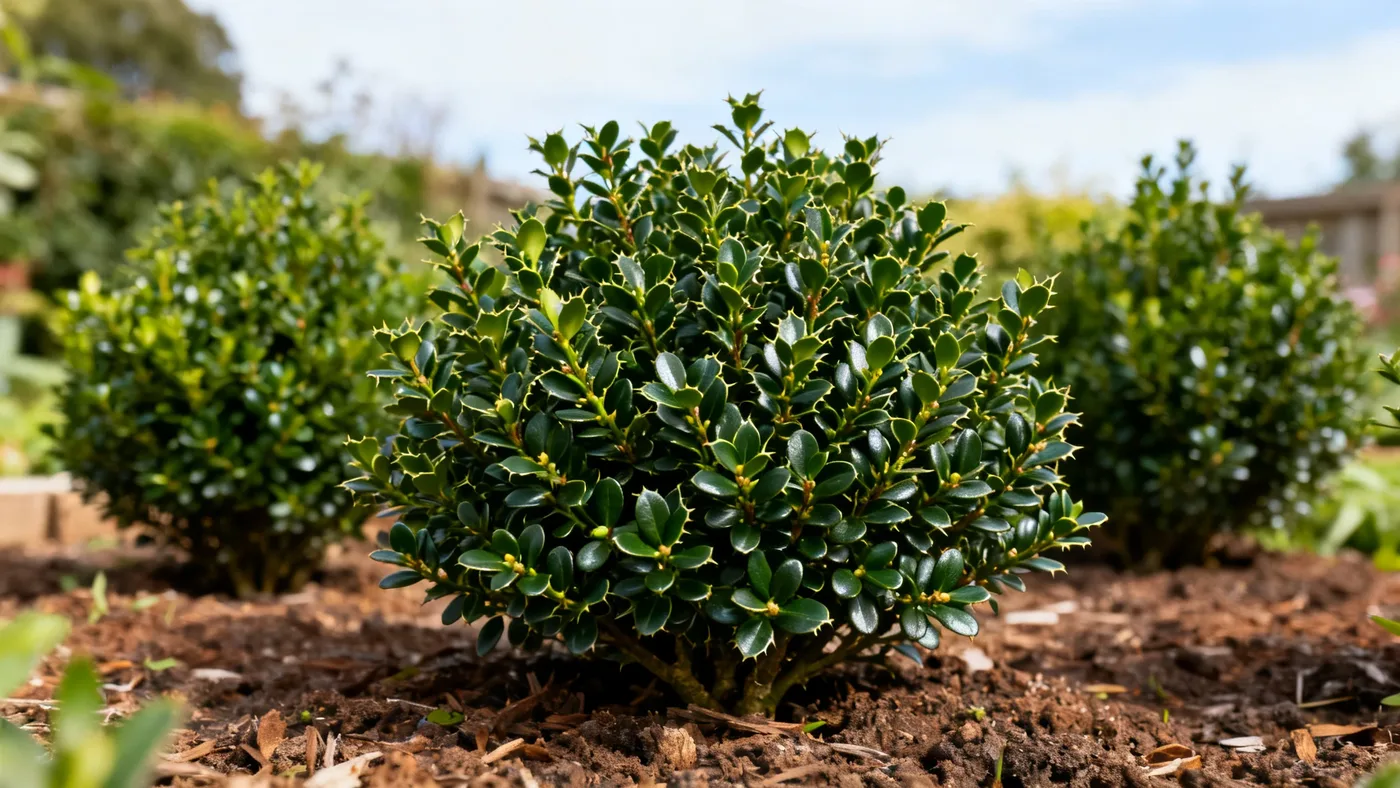
Compact Japanese Holly (Ilex crenata 'Compacta') thrives in USDA hardiness zones 6 through 8, making it one of the most reliable evergreen shrubs for cold climates across the continental United States. Some nurseries extend the compact japanese holly hardiness zone range to zone 5b with proper winter protection, though zones 6-8 represent the most consistent performance. Understanding your hardiness zone, local microclimate, and site conditions is the key to growing a dense, healthy plant that survives cold winters year after year.
Hardiness Zones and Plant Overview
What USDA hardiness zone is Compact Japanese Holly hardy in?
Compact Japanese Holly is rated for USDA zones 6 through 8, where winter temperatures stay within the plant's tolerance range. In zone 6, winter lows range from minus 10 to 0 degrees Fahrenheit; zone 8 experiences lows of 15 to 20 degrees Fahrenheit. Check your local zone on the USDA hardiness map, then consider your specific site conditions to confirm the best location for planting.
Can I grow Compact Japanese Holly if I live in zone 5?
Zone 5 gardeners can grow this plant with careful site selection and winter protection. Some nurseries list zone 5b to 8 availability for Compact Japanese Holly, particularly when planted in sheltered locations with winter wind protection. Contact your local Cooperative Extension office to evaluate whether your microclimate and proposed planting site offer adequate conditions for success.
Is Compact Japanese Holly hardy in zone 9 or warmer?
Zones 9 and above are generally too warm for consistent performance with Compact Japanese Holly. The plant was bred for cooler climates and prefers the cold dormancy of zones 6-8. If you live in a warm region, consult a local nursery about cultivars or related plants better suited to your climate.
What is the difference between zone 6 and zone 8 growing conditions?
Zone 8 offers a longer frost-free growing season and milder winter stress, which favor faster growth and denser foliage development. Zone 6 has more severe winters that slow growth but still keep this hardy evergreen healthy and attractive. Both zones support vigorous plants when you provide well-drained soil and choose a good planting site.
Cold Hardiness and Winter Performance
Will Compact Japanese Holly survive a harsh winter?
Yes, this evergreen shrub is specifically selected and bred to tolerate hard freezes within its rated zones 6-8. Even in harsh winters, the plant structure survives intact; foliage may show temporary browning or bronzing, but the plant recovers fully by late spring. Young plants in exposed sites may experience minor stress their first winter, yet they emerge healthy once established.
What happens to Compact Japanese Holly foliage during winter?
The small, dark glossy leaves remain on the plant year-round, delivering evergreen color and texture through cold months. In severe cold or windy exposure, foliage may bronze or yellow slightly, a cosmetic response to freeze-thaw stress rather than plant death. New growth emerges green in spring, restoring the shrub's full appearance.
Do I need to wrap or cover my plant in winter?
No special winter wrapping is necessary for mature plants in most locations. Young plants or those in very exposed, windy sites may benefit from light burlap wrapping in late fall to reduce foliage damage. Heavy, wet snow rarely damages established shrubs, so snow removal is not required.
How does winter wind affect Compact Japanese Holly?
Winter winds dry foliage faster than roots can replace moisture, causing the characteristic bronze or yellow bronzing seen on exposed plants. This damage is typically superficial and does not threaten the plant's survival. Planting in a sheltered location or providing a windbreak from the north and west significantly reduces this cosmetic stress.
Site Selection and Regional Variations
What makes a good planting site for cold hardiness in zone 6?
Choose a location with afternoon shade protection, good soil drainage, and shelter from strong winter winds. Avoid low-lying areas where cold air settles or where snowmelt and runoff accumulate. An east or south-facing site near a building, fence, or evergreen windbreak provides ideal conditions for dense growth and minimal cold stress.
Is there a difference between planting in zone 6 versus zone 8?
Planting depth and soil preparation are identical across all zones; however, timing differs. Zone 6 gardeners should plant in spring (April to May) to allow one full growing season before winter. Zone 8 can plant in spring or early fall (September to October) to avoid heat stress and still establish before cold weather.
Do I need winter protection in zone 8?
Winter protection is rarely necessary in zone 8, where temperatures stay above 15 degrees Fahrenheit. Mature plants in average sites perform beautifully without mulch, wrapping, or other cold-weather measures. Focus instead on choosing a well-drained planting location and establishing a regular watering schedule before any cold weather arrives.
What role does microclimate play in Compact Japanese Holly hardiness?
Microclimates are small areas on your property with unique conditions: a south-facing wall stays several degrees warmer, a low-lying hollow traps cold air, and a windbreak shields from gusty exposures. These local patterns can effectively shift your garden one zone warmer or colder than the official map. Study your yard and select the most protected spot for best results.
Is Compact Japanese Holly suitable for coastal gardens?
This plant has moderate salt tolerance, performing better than many broadleaf evergreens in maritime areas. However, it is not a top-tier coastal choice for heavy salt spray. If you garden near the ocean, plant away from direct spray zones and provide shelter from salt-laden winds.
Soil Conditions and Moisture
How does soil drainage affect cold hardiness?
Drainage is critical: wet or soggy soil in winter causes root rot and Phytophthora infections far faster than any freeze. Compact Japanese Holly demands well-drained, humus-rich loam to survive any hardiness zone. Always amend heavy clay with peat moss, compost, or aged bark before planting, and choose elevated sites that shed water naturally.
What soil pH does Compact Japanese Holly prefer?
This plant thrives in acidic soil, roughly 5.0 to 6.5 pH. In alkaline soils, the plant becomes chlorotic (yellowing leaves) and stressed, making it far more vulnerable to cold damage and decline. If your soil tests alkaline, amend with peat moss or sulfur before planting.
Does fall watering improve winter survival?
Yes, consistent soil moisture through fall and into winter is essential for hardiness. Drought-stressed plants are far more susceptible to freeze damage and winter bronzing. Water deeply before the soil freezes if fall and winter are dry, then maintain moderate moisture through cold months.
Planting Timing and Establishment
When is the best time to plant Compact Japanese Holly?
Spring (April to May) is ideal for zones 6-8, giving the root system an entire growing season to establish before winter stress. Zone 8 gardeners can also plant in early fall (September to early October) to avoid summer heat. Never plant in late fall or winter when roots have no time to develop.
Should I mulch around my young plant?
Yes, apply 2 to 3 inches of light mulch around the base of young plants in their first winter, keeping it away from the stem. This helps conserve soil moisture and moderates temperature fluctuations. After the first year, mature plants rarely need mulch unless the site is very exposed.
How long until my Compact Japanese Holly is fully established?
Young plants are cold-hardy when planted but benefit most from one full growing season to establish roots. By the second winter, the root system is robust, and the plant shows excellent resilience. Mature plants (5 to 10 years old at roughly 3-4 feet tall) display their best cold hardiness and dense form.
Winter Damage: Causes and Recovery
What is winter bronzing and how do I prevent it?
Winter bronzing appears as browning or yellow-tinged foliage, caused by drying winter winds, freeze-thaw cycles, or extreme cold in exposed sites. Prevent it by planting in sheltered locations, maintaining consistent fall moisture, and avoiding late-summer pruning. A burlap wrap in late fall can reduce foliage damage in very exposed gardens.
Can my plant recover from freeze damage?
Most winter damage is superficial: foliage browns but the plant survives and produces new green leaves by late spring. Severe damage appears as black, mushy tissue throughout the plant, indicating root rot rather than cold stress. In typical cases, resist the urge to prune until new growth appears in spring, then remove dead wood.
Why is my Compact Japanese Holly's foliage yellowing in winter?
Yellowing or bronzing is a natural stress response to cold wind or rapid freeze-thaw cycles, not a sign of serious disease. Harsh winter winds dry foliage faster than roots can replace moisture. Ensure consistent soil moisture through fall and choose sheltered sites to minimize this cosmetic effect.
Do I need to prune winter-damaged branches?
Wait until late spring to assess and prune winter damage. Once new growth emerges (April to May), you can see which branches are truly dead and remove them. Avoid pruning in fall, which pushes tender new growth vulnerable to frost.
What Zone for Japanese Holly Compacta: Quick Reference
| Factor | Details |
|---|---|
| Recommended Hardiness Zones | 6, 7, 8 (zone 5b with winter protection) |
| Zone 6 Winter Lows | Minus 10 to 0 degrees Fahrenheit |
| Zone 8 Winter Lows | 15 to 20 degrees Fahrenheit |
| Mature Height | 3 to 4 feet (5 feet unsheared) |
| Mature Width | 4 to 5 feet |
| Growth Rate | Slow, roughly 3 to 6 inches per year |
| Best Planting Season | Spring (April to May) or early fall (Sept to Oct, zone 8) |
| Ideal Soil | Well-drained, humus-rich loam, acidic (5.0 to 6.5 pH) |
| Winter Foliage | Evergreen; may bronze in harsh, windy sites |
| Wind Protection | Recommended in zone 6 and exposed coastal areas |
| First-Year Mulch | 2 to 3 inches around base, not against stem |
| Cold Hardiness Status | Fully established and resilient by year two |
For a complete guide to growing Compact Japanese Holly year-round, including pruning, fertilizing, and pest management, see our comprehensive care guide.